Off-road adventures are a unique experience: untouched nature, exciting trails, and the challenge of mastering your vehicle in any terrain. But this is also where the risk lies – especially on sandy, muddy, or steep sections of the trail. If you want to move safely through the terrain, you should have a recovery kit with you. From sand ladders to the Factor 55 Ultrahook, there are numerous tools that can save your life in an emergency. In this article, you will learn everything you need to know about recovery kits, which equipment is indispensable, and how to optimally prepare for your adventure.
What is a recovery kit and why is it important?
A recovery kit is more than just an accessory package – it's your life insurance in off-road terrain. Whether you're driving your pickup, SUV, or off-road vehicle: as soon as you get stuck in the sand, sink in the mud, or your vehicle can no longer climb a steep ramp, the recovery kit can make all the difference.
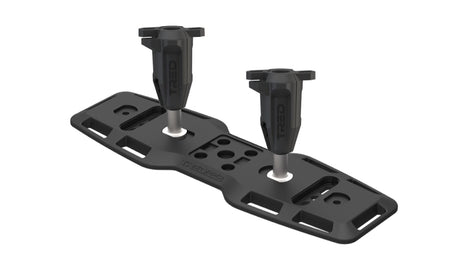
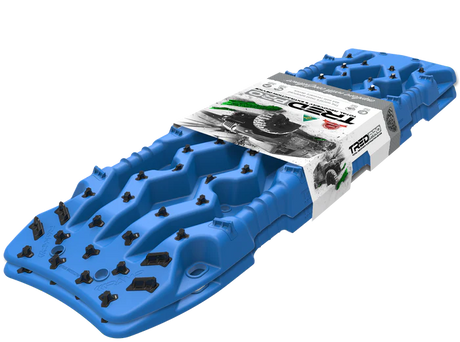
Typical components of a recovery kit include: sand ladders, Factor 55 Ultrahook, robust tow straps, shackles, gloves, and often a small tool bag. Each of these components has its own task, but together they allow you to recover your vehicle efficiently and safely.
Sand Ladders – Your best friend in the sand
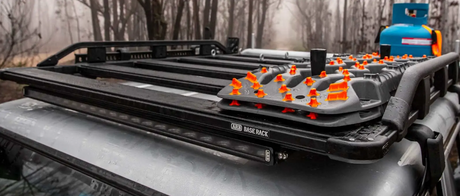
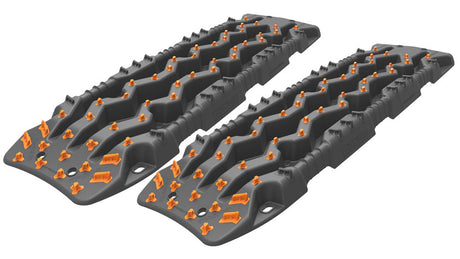
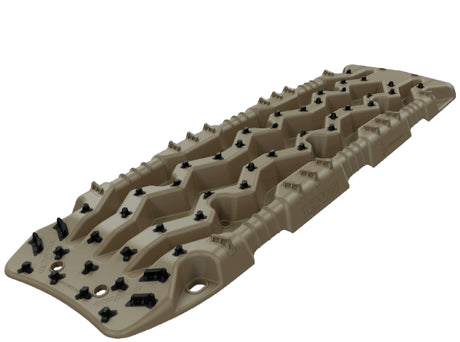
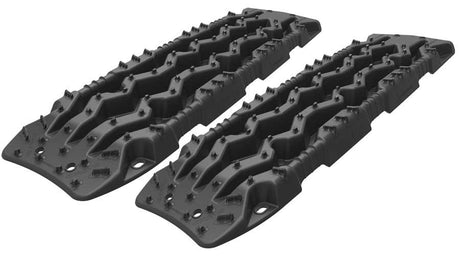
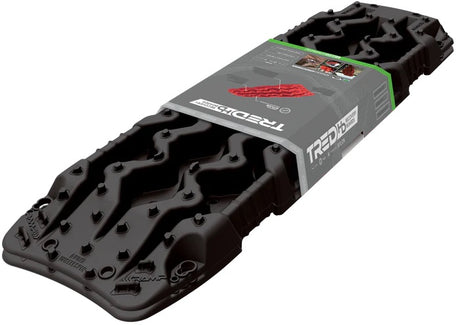
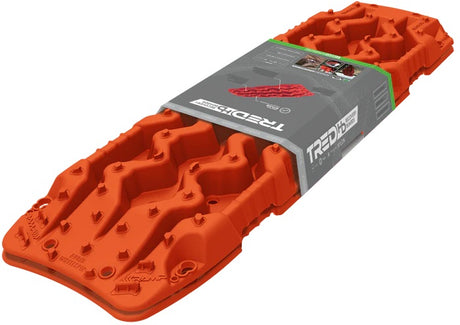
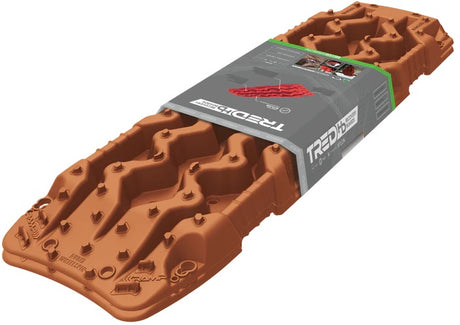
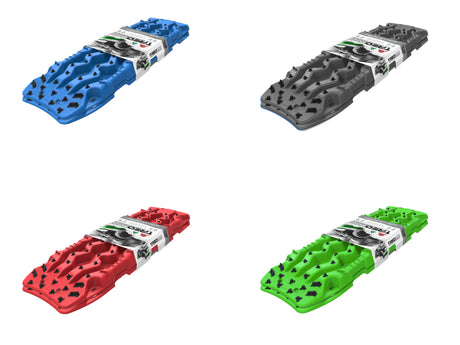
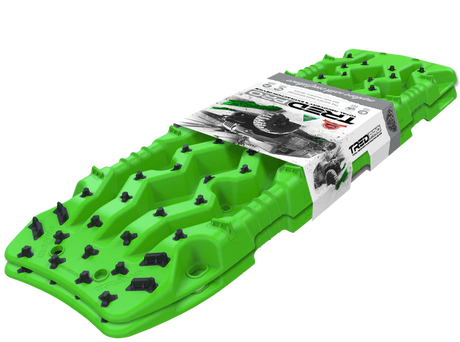
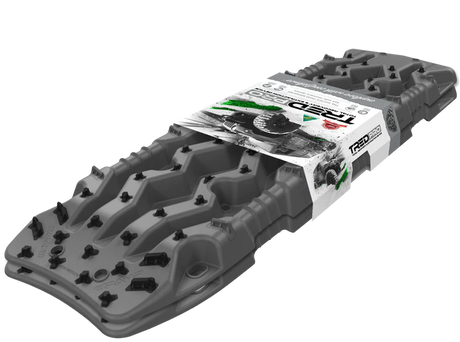
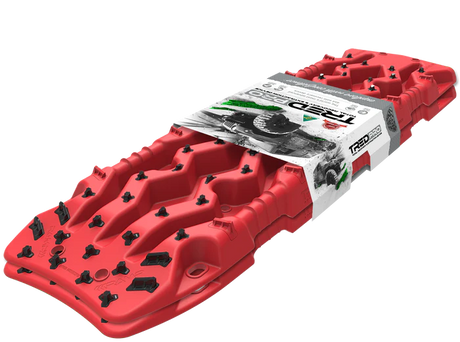
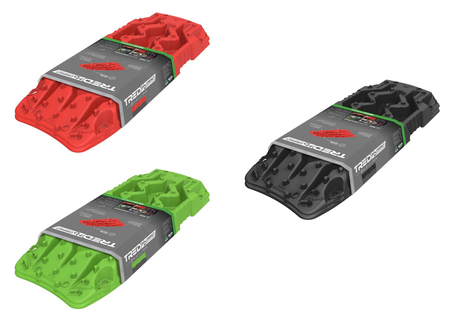
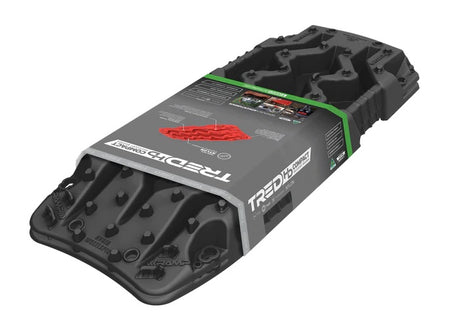
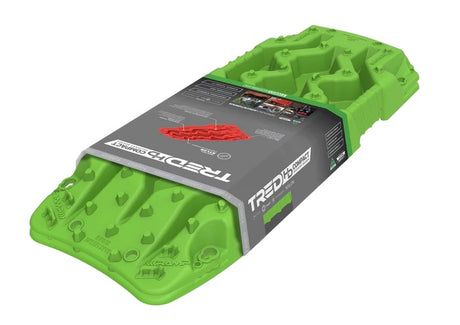
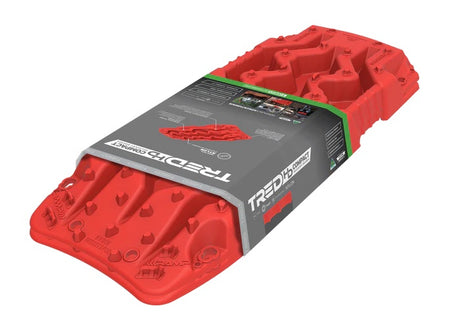
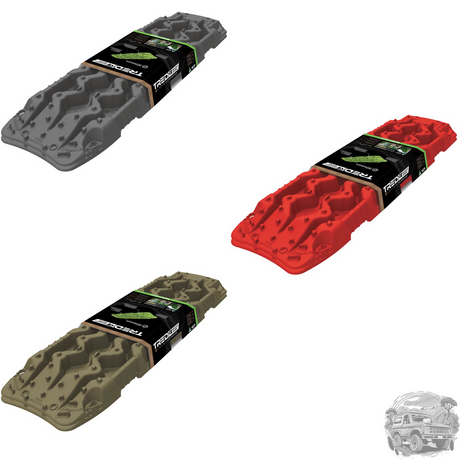
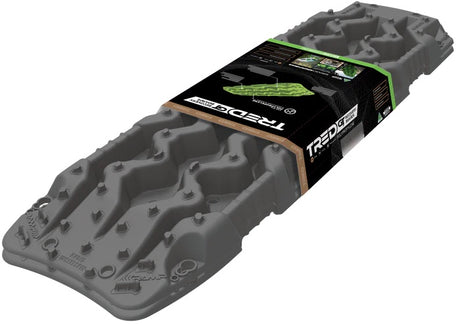
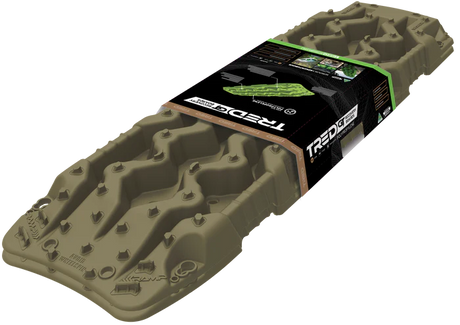
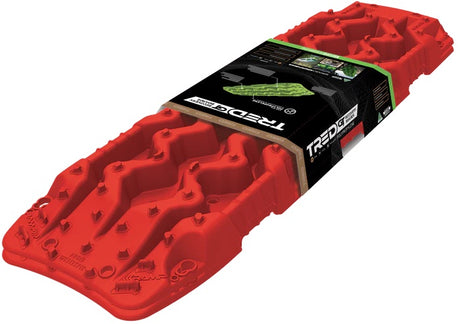
Especially when driving on sand, the use of sand ladders is almost indispensable. They ensure that your vehicle's tires find grip on soft ground and do not spin. Modern sand ladders are made of aluminum or plastic, are lightweight, robust, and easy to mount.
If you plan to regularly drive off-road trails, it's worth investing in high-quality sand ladders. They are a fixed component of every professional recovery kit and significantly increase your safety.
Factor 55 Ultrahook – Maximum safety during recovery
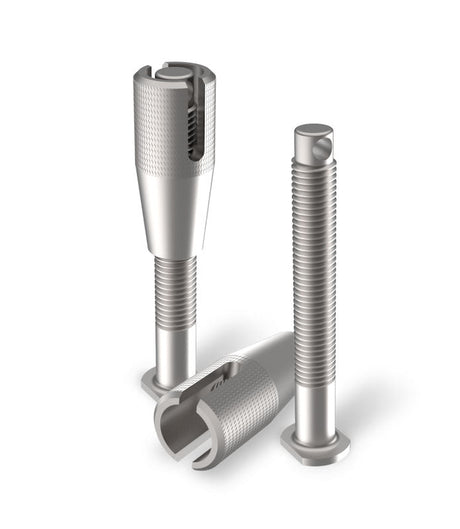
Another indispensable element in the recovery kit is the Factor 55 Ultrahook. This special recovery hook replaces conventional shackles and allows for a faster, safer connection between rope, winch, or tow strap and your vehicle.
The advantage: Due to its low weight and easy handling, the Factor 55 Ultrahook is particularly interesting for off-road drivers who want to keep their recovery kit compact and efficient. It minimizes the risk of injuries and ensures that your recovery proceeds in a controlled manner at all times.
What else belongs in the recovery kit
In addition to sand ladders and the Factor 55 Ultrahook, there are some other pieces of equipment that should not be missing from any recovery kit:
- Tow straps with sufficient pulling force
- Shackles for securely connecting winch and vehicle
- Gloves for protection when working with ropes or straps
- Winch or cable winch for hard-to-reach places
- Ratchet for tightening straps
This equipment ensures that you are prepared for different scenarios – be it sand, mud, or steep terrain.
Tips for using your recovery kit
A recovery kit is only truly useful if you know how to use it correctly. Some practical tips:
- Preparation is everything: Practice using sand ladders, shackles, and straps in safe terrain before starting your adventure.
- Correct placement: Sand ladders should always be placed under the drive wheels before the vehicle spins.
- Controlled recovery: With the Factor 55 Ultrahook, you can quickly and safely connect the winch or tow straps to ensure a controlled pull.
- Teamwork: Those who are off-road benefit from having several people – one can steer while the other operates the recovery kit.
Recovery Kit for beginners and professionals
Whether you're an off-road beginner or regularly drive challenging trails, the composition of your recovery kit should match your driving level. Beginners can start with a basic kit of sand ladders, tow straps, and Factor 55 Ultrahook. Professionals also rely on winches, rock sliders, underbody protection, and extensive tool sets to be prepared for any situation.
Conclusion: Safety first – always have a recovery kit with you
A well-equipped recovery kit is part of the basic equipment of every off-road driver. It increases safety, enables quick recoveries, and ensures that your off-road adventure doesn't get stuck in the mud. Invest in high-quality components such as sand ladders, Factor 55 Ultrahook, and robust straps – so you are prepared for any challenge.
Those who cleverly assemble their recovery kit can not only help themselves but also other drivers in tricky situations. So pack your kit, practice using it, and make your next off-road adventure a safe experience.
FAQ – Recovery Kits for Off-Road Adventures
1. Which vehicles benefit most from a recovery kit?
Off-road vehicles, pickups like VW Amarok, Nissan Navara or Ford Ranger, and 4x4 vans benefit particularly, as they often travel off paved roads. A recovery kit significantly increases safety here.
2. How many sand ladders should one have in the recovery kit?
At least two, preferably four. This way, you can create traction on each wheel if you get stuck in deep sand or mud. Some off-roaders combine different lengths and materials for maximum effectiveness.
3. What is the difference between a normal shackle and the Factor 55 Ultrahook?
The Factor 55 Ultrahook replaces conventional shackles, is lighter, quicker to use, and ensures maximum safety when pulling or recovering. It is particularly popular with modern off-road vehicles without classic shackle attachments.
4. Does a recovery kit have to be included on every off-road trip?
Yes, even for short off-road trips, a small kit is worthwhile. Even experienced drivers can unexpectedly get stuck in sand, mud, or on steep paths. A compact kit such as sand ladders and an Ultrahook can make all the difference.
5. How do I store my recovery kit correctly in the vehicle?
Preferably in a toolbox or a fixed storage compartment in the loading area. Everything should be secured so that it does not slip or get damaged during off-road driving.
6. Can you also rent a recovery kit?
Yes, some off-road shops and rental companies offer complete sets. Ideal if you only occasionally plan off-road adventures and don't want to buy everything right away.
7. How often should the components be checked?
Before each tour, you should perform visual inspections – check sand ladders, straps, shackles, and winches for cracks, rust, or damage. Only then will your kit remain reliably ready for use.