Overlanding is more than just travel; it's an adventure where you experience nature up close, are self-sufficient, and can enjoy pure freedom. If you want to start overlanding as a beginner, it's worth being well-prepared. In this guide, I'll show you how to plan your first adventure, what equipment is useful, and what tips will make life on the road easier.
What is Overlanding?
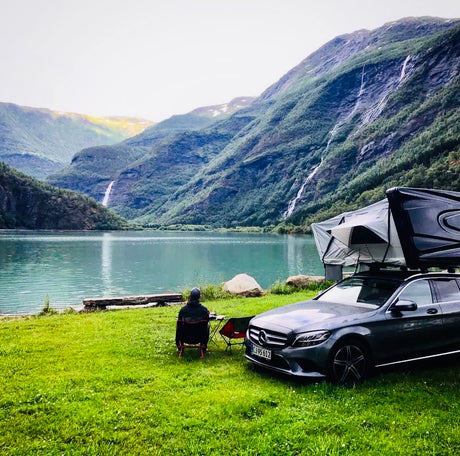
Overlanding means self-sufficient travel for several days or weeks, often in remote areas, with your own vehicle and complete equipment. Unlike camping or a classic road trip, the focus is on independence, adventure, and experiencing nature.
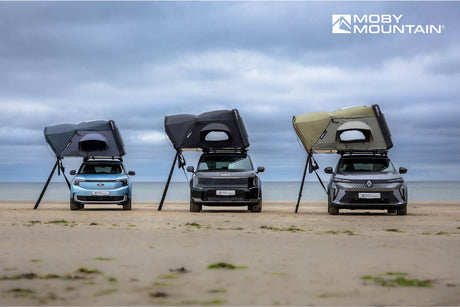
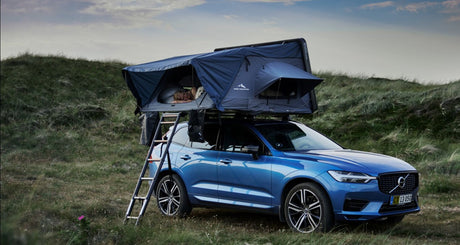
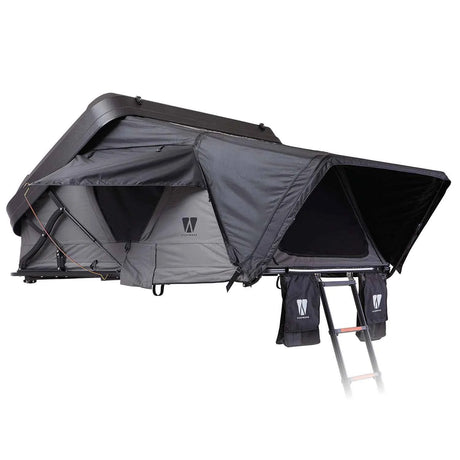
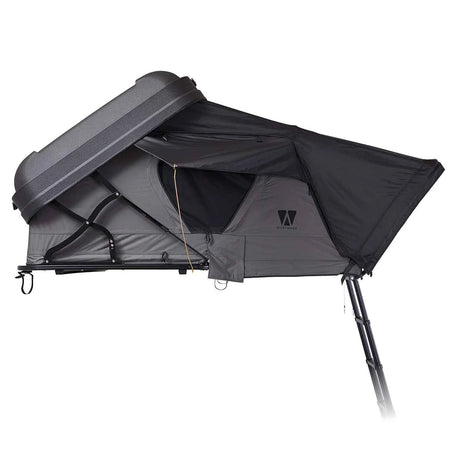
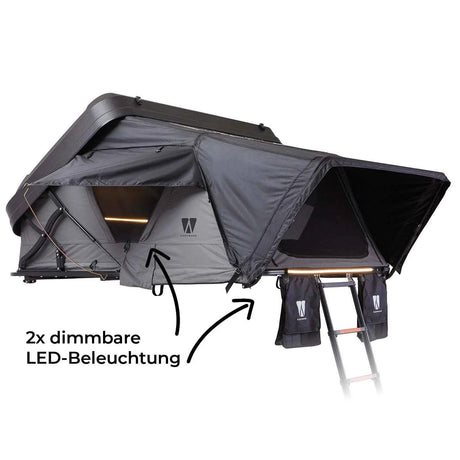
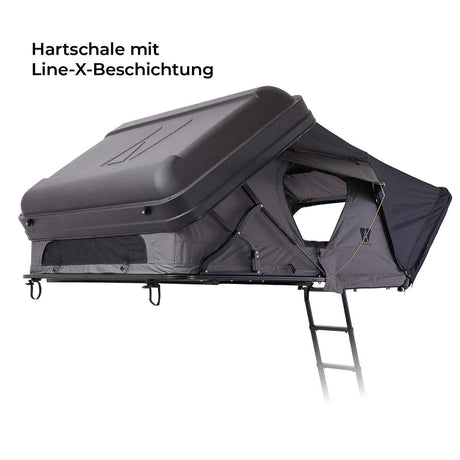
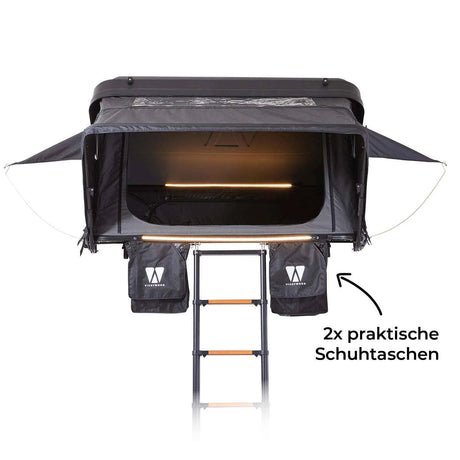
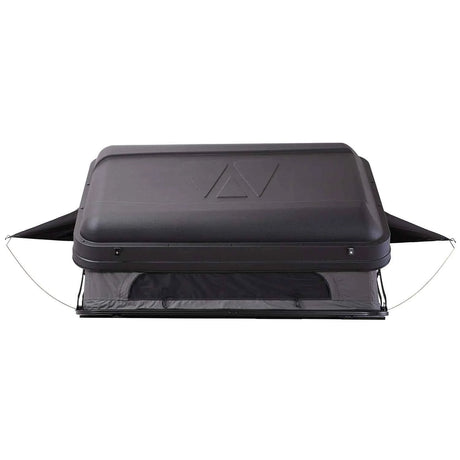
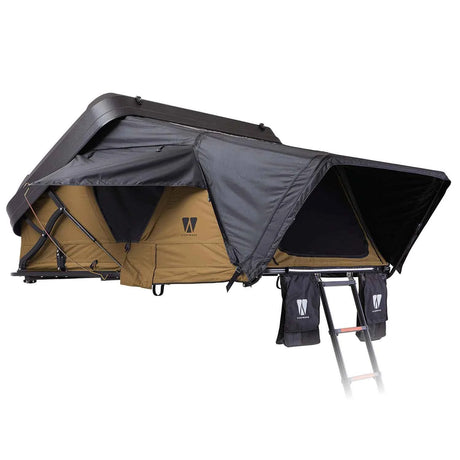
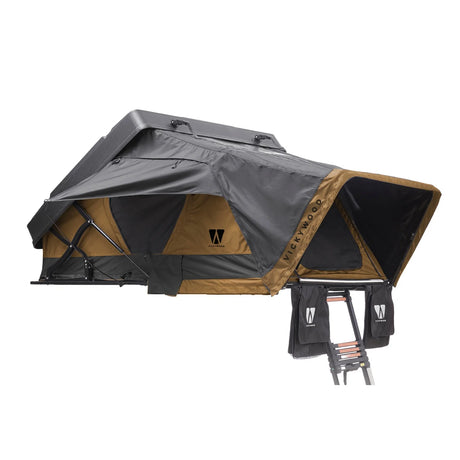
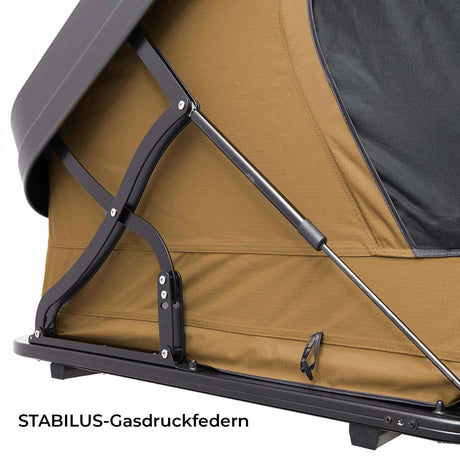
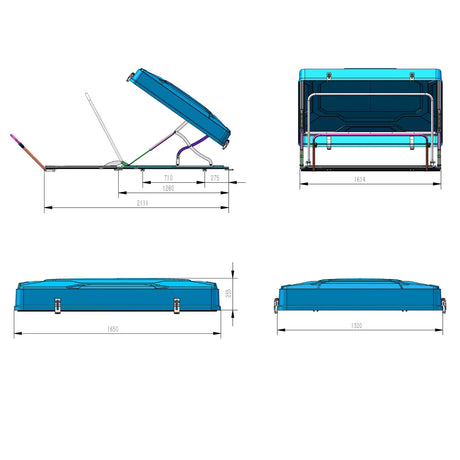
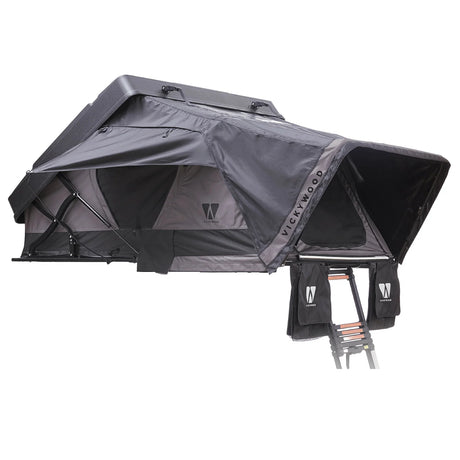
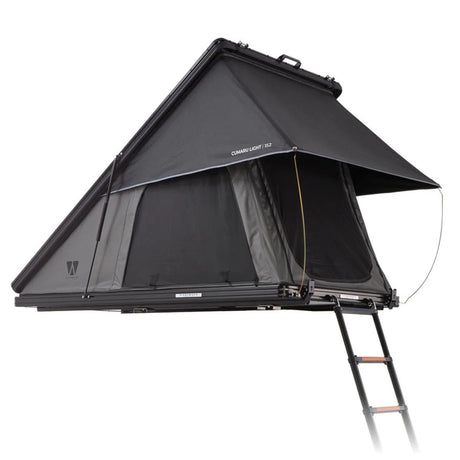
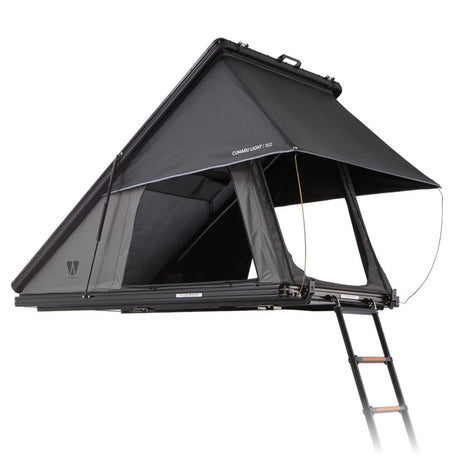
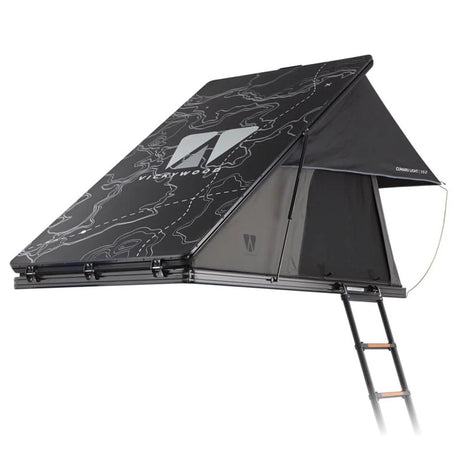
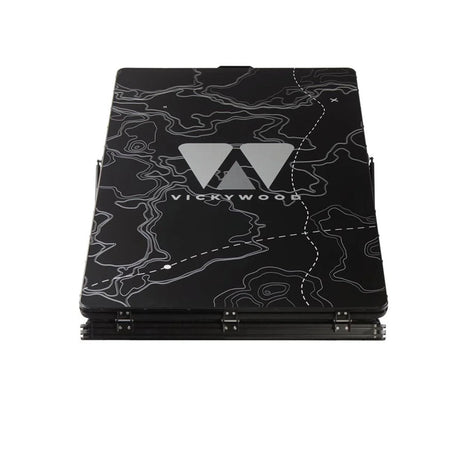
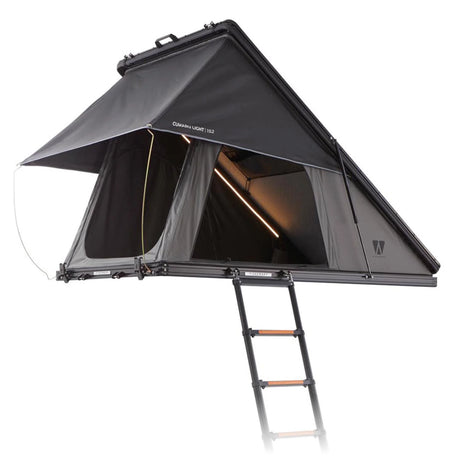
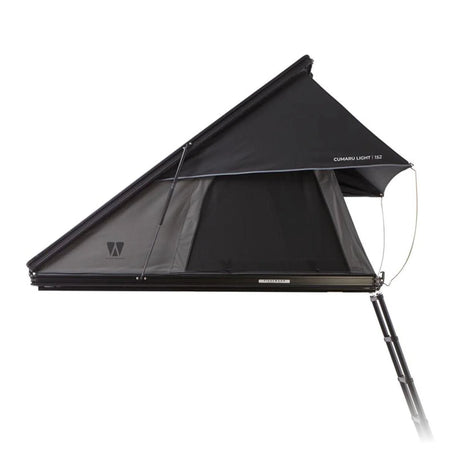
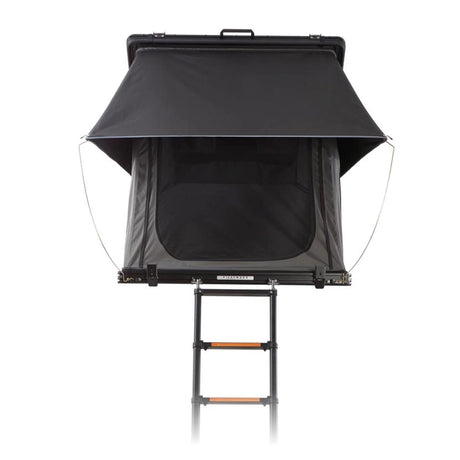
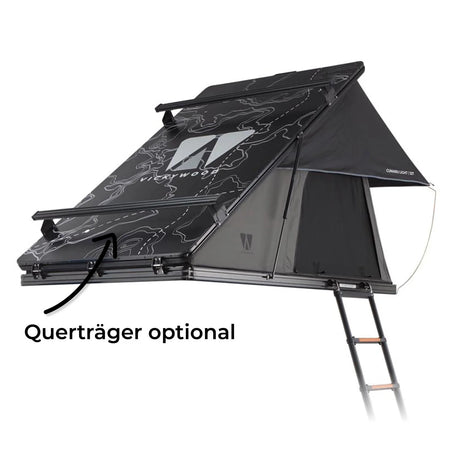
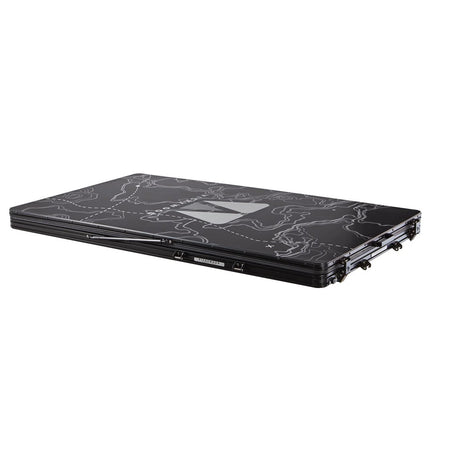
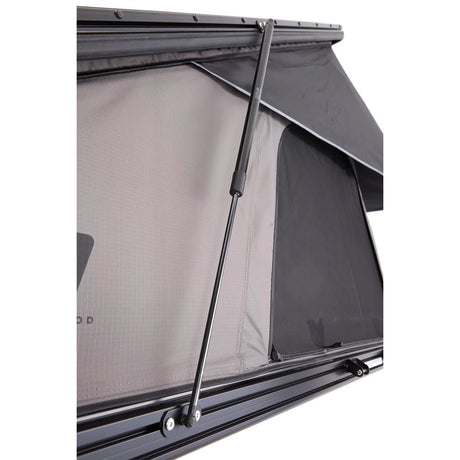
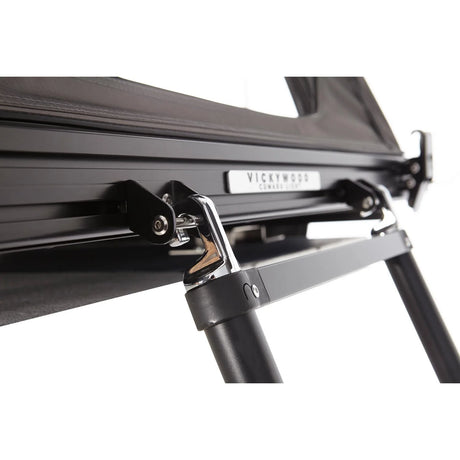
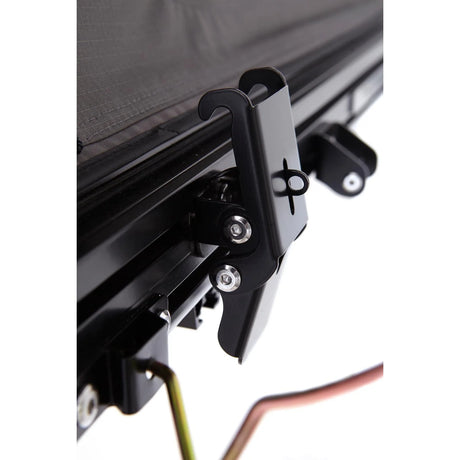
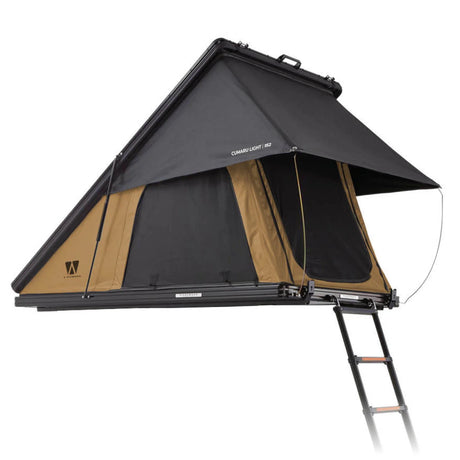
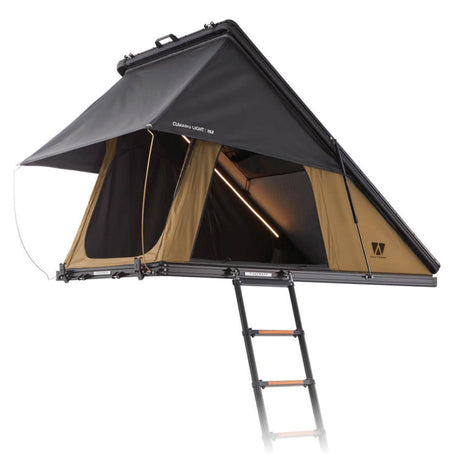
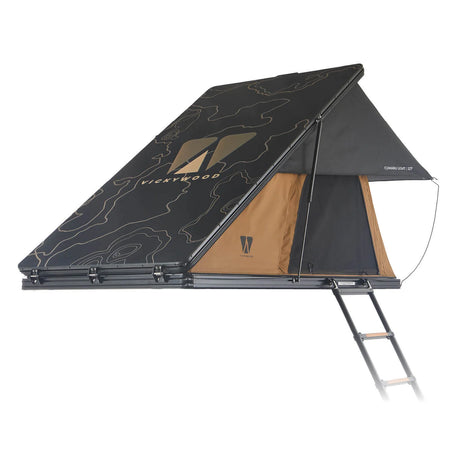
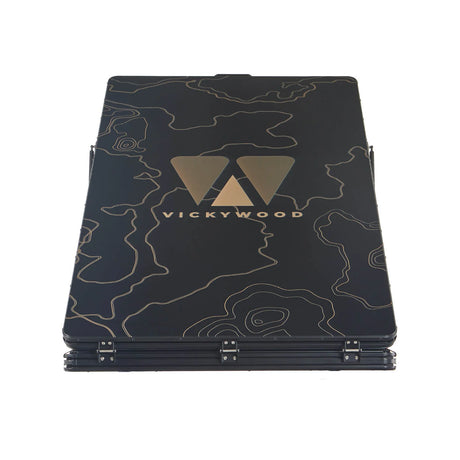
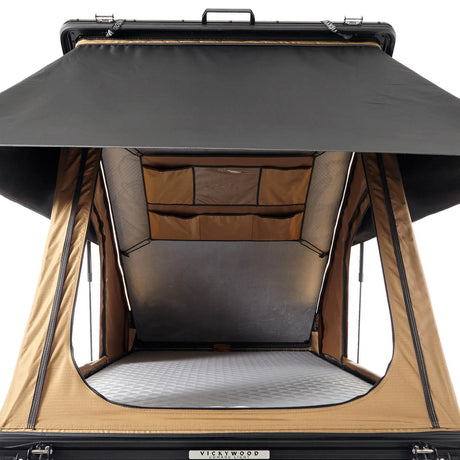
With an overlanding rooftop tent, roof racks like the Sportsz from Rhino Rack, or an Alu Cab rooftop tent, you can turn your vehicle into a mobile home and be flexible on any terrain.
The Right Vehicle for Overlanding
Not every car is suitable for overlanding. It depends on off-road capability, reliability, and storage space.
- Off-road capability: A 4x4 vehicle can handle sand, mud, or rocky paths.
- Reliability: A robust vehicle gets you safely to your destination, even on long journeys.
- Loading options: Roof racks and robust systems like the Recon Deck series from Rhino Rack are extremely practical.
- Popular beginner vehicles: Toyota Hilux, Ford Ranger, Jeep Wrangler, Land Rover Defender, Mercedes Sprinter 4x4.
💡 Tip: You don't have to have everything at once. Start with your existing vehicle and gradually add roof racks, a rooftop tent, or other equipment.
The Right Overlanding Equipment
For beginners, it's important to keep the basic equipment practical and manageable. This includes:
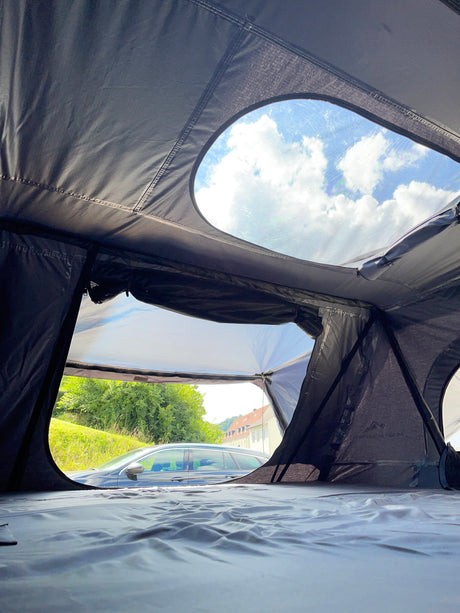
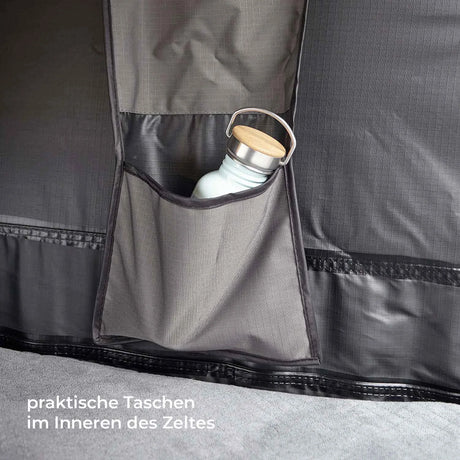
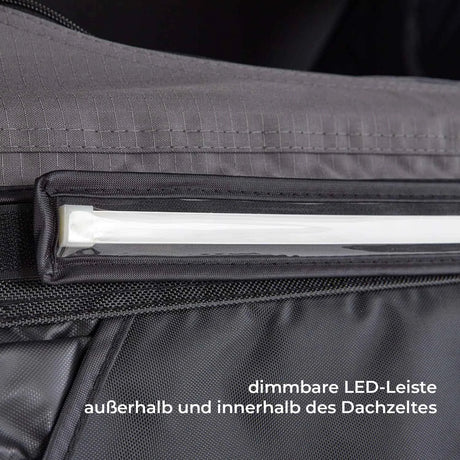
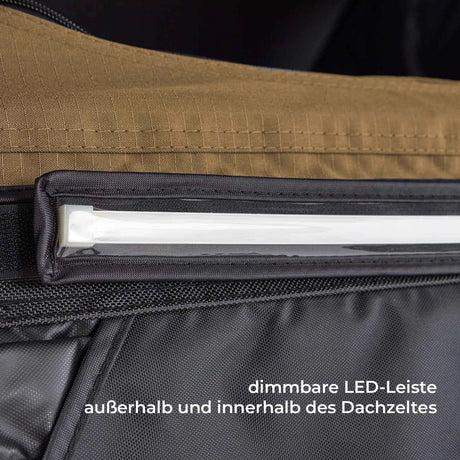
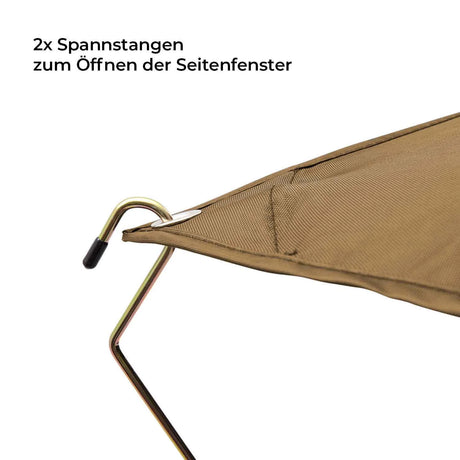
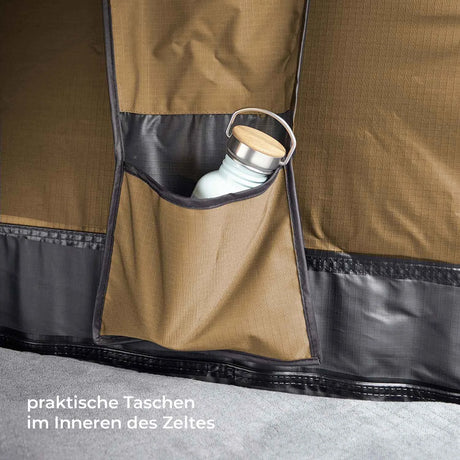
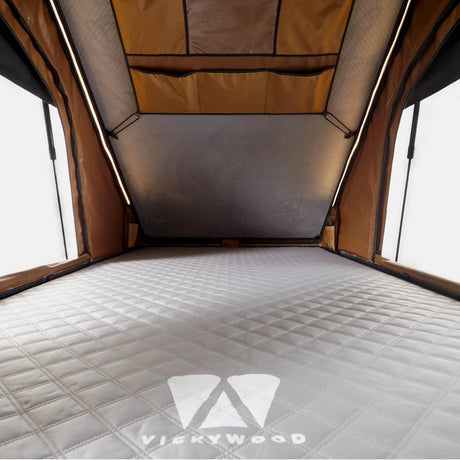
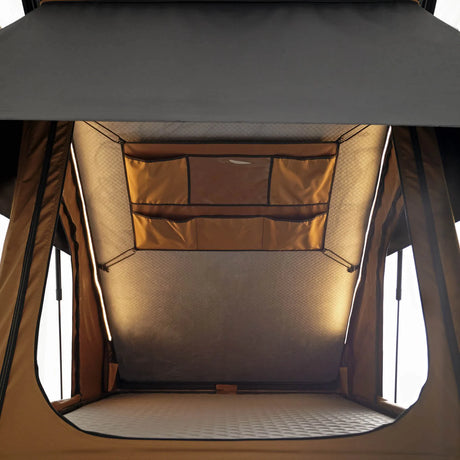
- Rooftop Tent / Overlanding Rooftop Tent: Quick setup, comfortable sleeping, protection from insects and weather
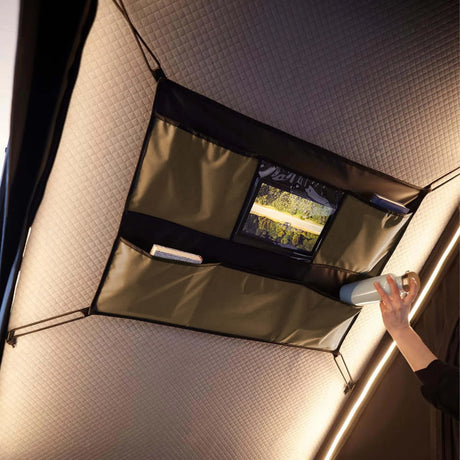
- Alu Cab Rooftop Tent: Extremely robust, ideal for long tours and different climates
- Rhino Rack Roof Racks: For luggage, canisters, tents, and accessories
- Camping stove & cooking utensils
- Water and food supplies
- Emergency and first-aid kit
- Off-road equipment: Winch, recovery boards, jack
- Navigation: GPS, offline maps, compass
💡 Tip: It's better to start small and expand your equipment step by step. Overloading often leads to stress and vehicle problems.
Planning Your First Overlanding Trip
Proper planning is crucial for a safe adventure:
- Plan your route: Consider pitches, gas stations, water sources
- Vehicle check: Check oil, brakes, tires, lights, spare parts
- Check the weather: Pay attention to rain, temperatures, floods
- Realistically plan travel duration: A weekend or 2–3 days is ideal
💡 Tip: Use roof racks and an overlanding rooftop tent smartly; they save time during setup and takedown and increase your flexibility on the go.
Tips for on the Road
When you're on the road, there are a few rules that will help you:
- Leave No Trace: Take your trash with you, respect nature
- Drive safely: Adapt speed to the terrain
- Stay flexible: Plans can change – improvisation is normal
- Communication: Offline maps, radios, or satellite phone
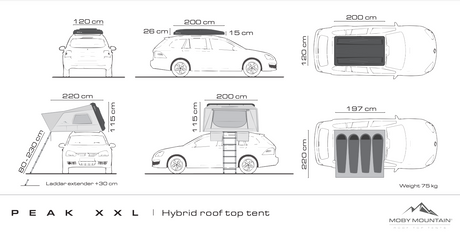
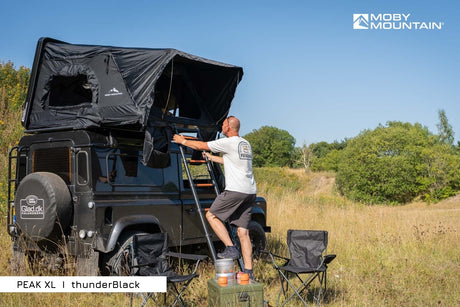
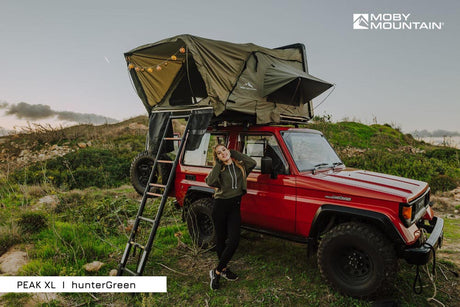
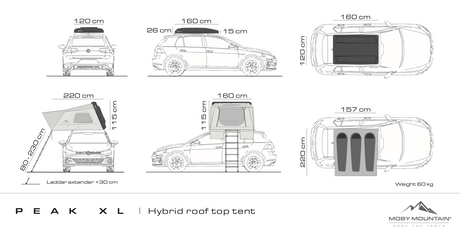
💡 Extra Tip: An Alu Cab rooftop tent or Moby Mountain rooftop tent protects you from sudden weather changes and offers an elevated sleeping position – ideal for beginners in the wilderness.
Advanced Tips for Overlanding Beginners
- Start small: A weekend is enough
- Test your equipment at home beforehand
- Bring an experienced co-driver
- Document your trip: Photos, notes, GPS tracks
Other useful equipment:
- Solar system / power station for electricity on the go
- Additional water and fuel tanks
- Vehicle upgrades: Winch, off-road tires, differential lock
💡 Tip: Pioneer Platform and Recon Deck roof racks from Rhino Rack allow you to transport heavy equipment, while an overlanding rooftop tent or Alu Cab rooftop tent lets you sleep comfortably.
Common Mistakes by Overlanding Beginners
- Taking too much equipment → Overloading
- Poor route planning → Time loss, stress
- Underestimating the weather → Unpleasant nights
- Not testing equipment beforehand → Frustration on the road
FAQ – Overlanding for Beginners
1. How much does overlanding cost for beginners?
Beginners can start with approx. €1,500–€3,000, depending on the vehicle and equipment. A rooftop tent, an Alu Cab rooftop tent, or a solid roof rack are the biggest expenses.
2. Which vehicle is suitable for beginners?
Robust 4x4s like Hilux, Ranger, Wrangler, or Defender. It's important that it's reliable and offers enough space for a rooftop tent and roof rack.
3. What equipment is necessary to start?
Rooftop tent, overlanding rooftop tent, roof rack, camping stove, water, food, first-aid, navigation. Everything else can be added step by step.
4. How long should my first overlanding trip be?
A weekend or 2–3 days to gain experience and get used to the equipment.
5. Do I need special off-road driving techniques?
For beginners, careful driving, low speed, and observing the terrain are sufficient. Later, you can take courses or training.
6. Can I start overlanding alone?
Yes, but for the first trip, an experienced co-driver is recommended.